

条款10 分钟阅读
纤维肌痛与残疾税收抵免:您符合条件吗?
纤维肌痛是DTC体系中最容易被误解的疾病之一。加拿大税务局(CRA)不会因该诊断结果而驳回申请——他们驳回申请是因为功能性影响未得到正确记录。本指南将说明您需要向加拿大税务局(CRA)提供哪些材料才能获得批准。
2026年3月20日阅读
关于残疾税务抵免、资格和申请流程的专家文章、指南和更新。
纤维肌痛是DTC体系中最容易被误解的疾病之一。加拿大税务局(CRA)不会因该诊断结果而驳回申请——他们驳回申请是因为功能性影响未得到正确记录。本指南将说明您需要向加拿大税务局(CRA)提供哪些材料才能获得批准。
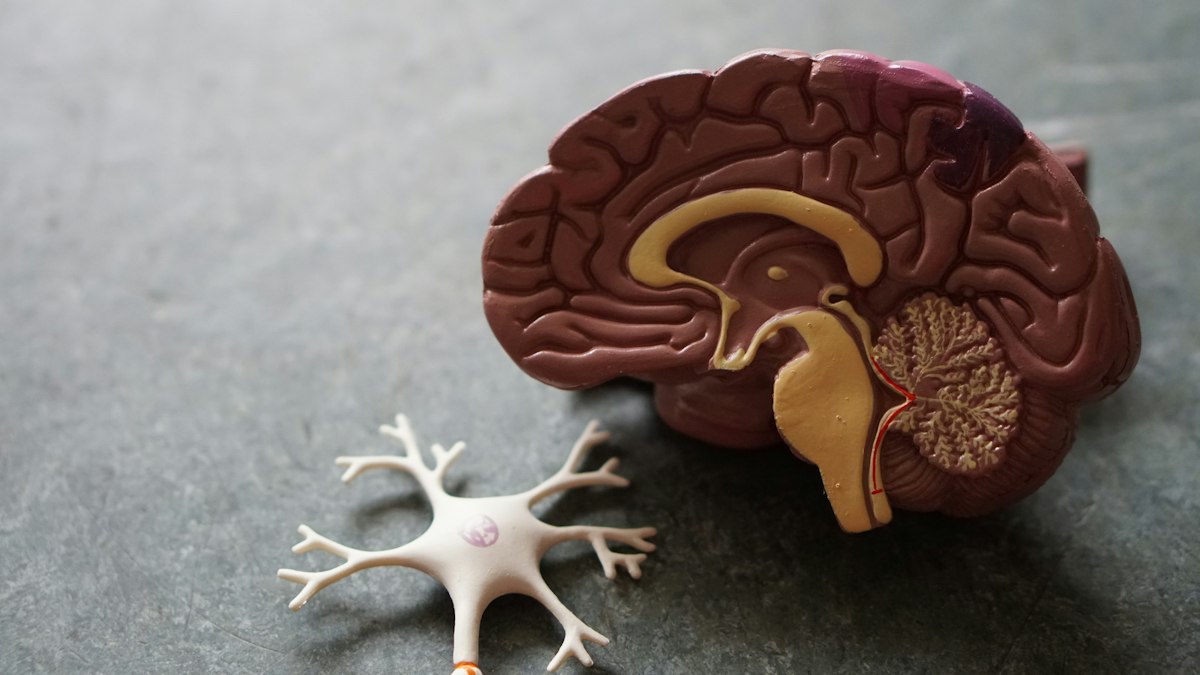
如果强迫症导致日常生活中必需的心理功能受到显著限制,则符合申请残疾人税收抵免的条件。本指南将解释加拿大税务局(CRA)的审核标准、医生需要提供的证明材料,以及为何许多强迫症申请会被驳回——并说明如何解决这些问题。
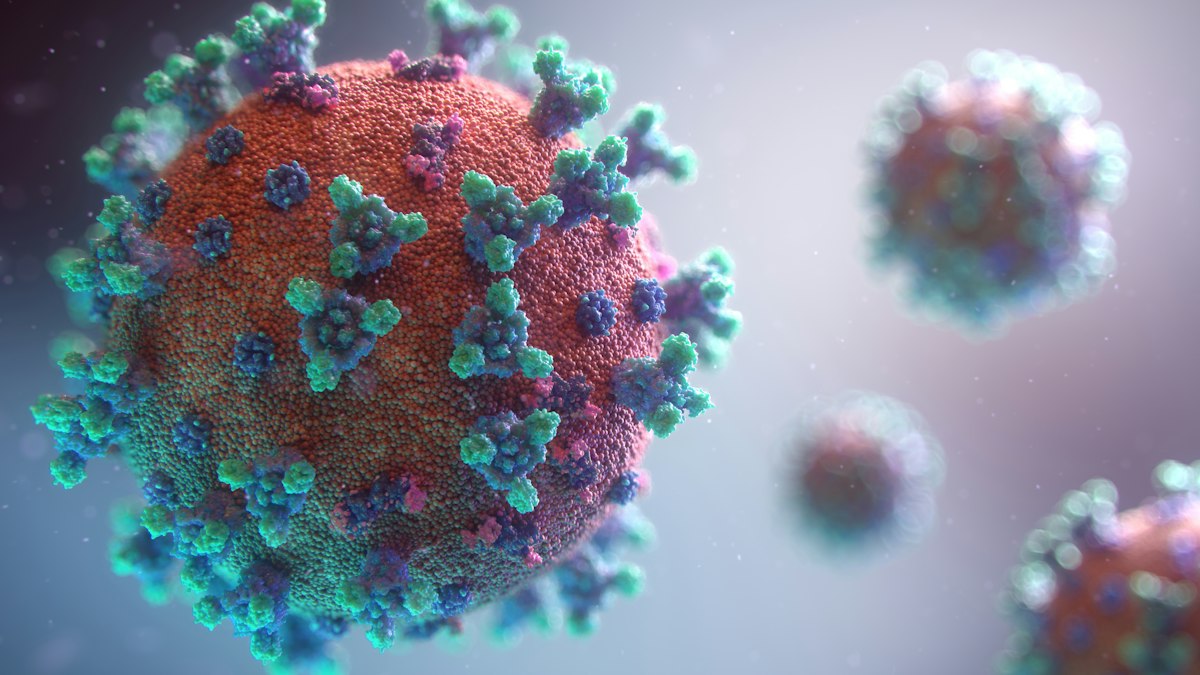
“新冠后遗症(长新冠)”现已被认定为加拿大“残疾人税收抵免”的适用条件。本指南将说明哪些症状符合条件、如何向加拿大税务局(CRA)提供相关证明,以及为何许多长新冠申请会被驳回——并介绍如何提出上诉。

Many Canadians have two or more mental health conditions that individually might not meet CRA's threshold for a marked restriction, but together cause a significant cumulative impact on daily...

Multiple Sclerosis and Parkinson's Disease are progressive neurological conditions that can significantly impair a person's ability to walk. When these conditions cause a marked restriction — meaning...

Epilepsy and seizure disorders can qualify for the Disability Tax Credit when they cause a marked restriction in mental functions necessary for everyday life. CRA evaluates not just the seizures...

Spinal stenosis, degenerative disc disease, severe scoliosis, and other chronic back conditions can significantly impair a person's ability to walk. When these conditions cause a marked restriction —...

The difference between a marked restriction and a significant limitation determines whether you qualify for the DTC on your own or need to apply under cumulative effects. Here's what CRA requires.

The Disability Tax Credit is one of Canada's most significant financial supports for people with disabilities — yet fewer than half of those who qualify ever apply. This comprehensive guide covers all 10 CRA functional categories, the application process, retroactive claims, appeals, and every downstream benefit the DTC unlocks.
本页面由机器自动翻译,可能包含少量不准确之处。如有不清楚的地方,请联系我们。